
Petrol vs Diesel Cars Which One Should You Actually Buy?
Curated By
Vizion Team
Release Date
15 October 2026
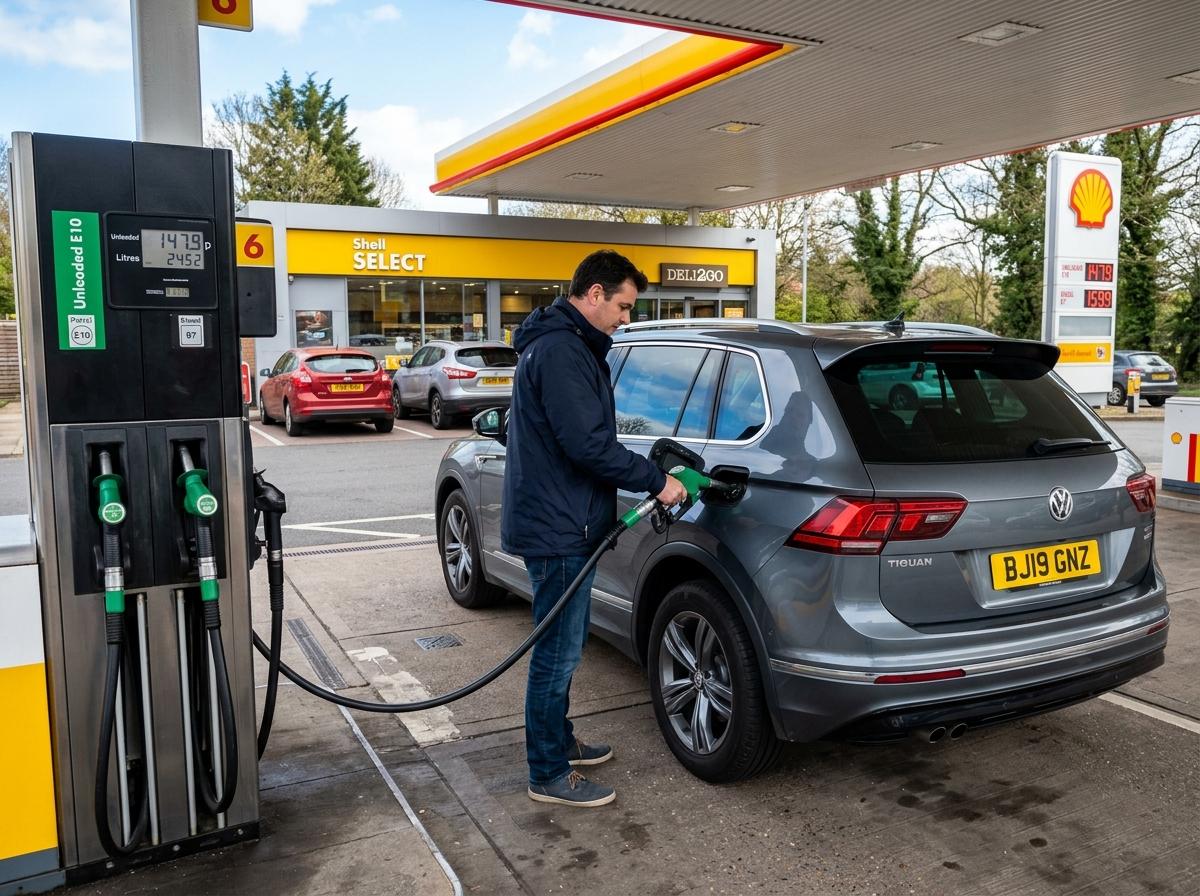
Choosing your next car often comes down to one deceptively simple question: petrol or diesel? It's a decision that shapes your running costs, your tax bill and even how easily you'll sell the car down the line so it's worth getting right.
At Vizion Finance, we help drivers across the UK finance the car that genuinely fits their life, not just the one that looks good on the forecourt. So before you commit, here's an honest, jargon-free look at the difference between petrol and diesel, and how to weigh up which suits you.
Petrol vs Diesel
There's no single winner in the petrol vs diesel debate it depends entirely on how you drive.
As a rough rule of thumb if you rack up high motorway mileage, a diesel could save you money at the pump. If you mostly do shorter, urban trips, a petrol is usually the cheaper, simpler and more sensible choice. The rest of this guide breaks down exactly why.
How Petrol and Diesel Engines Differ
Both engines burn fuel to create power, but they do it differently. Diesel engines are more thermally efficient, which is why they typically deliver better petrol vs diesel fuel economy on longer journeys. Petrol engines rev higher, tend to feel more responsive around town, and the cars themselves are usually cheaper to buy in the first place.
That upfront price gap matters and it's one reason so many drivers spread the cost through car finance rather than paying outright.
Petrol vs Diesel Running Costs
This is where most buyers make their decision, so let's break it down properly.
Fuel Economy and MPG
Diesel cars generally return more miles per gallon, especially at steady motorway speeds which is the heart of the petrol vs diesel mpg comparison. If you're regularly covering long distances, that efficiency adds up over a year. For lower-mileage, stop-start town driving, though, the gap narrows and petrol often makes more financial sense.
Fuel Prices at the Pump
Diesel typically costs a little more per litre than petrol in the UK, so better economy doesn't automatically mean lower spend. The honest answer to is petrol or diesel cheaper to run comes down to your annual mileage high mileage tips it toward diesel, low mileage toward petrol.
Car Tax
Petrol vs diesel car tax can differ, particularly for diesels that don't meet the latest emissions standards, which may face higher first-year rates and clean-air charges. It's always worth checking the specific model's tax band before you buy.
Servicing and Maintenance
Diesel cars often have pricier components think DPFs (diesel particulate filters) which can push up maintenance costs if they're not driven regularly enough to stay healthy. Petrol engines are generally simpler and cheaper to maintain.
Petrol vs Diesel for Your Type of Driving
The best fuel type is the one that matches your routine.
High Mileage and Motorway Driving
If you're a long-distance or motorway driver, diesel's superior economy usually wins this is the classic case where petrol vs diesel for high mileage favours diesel.
City and Short-Journey Driving
For urban, short-hop driving, petrol is typically the smarter pick. Diesels dislike constant short trips, which can clog the DPF, and clean-air zones like ULEZ can add extra cost for older diesels.
What About Diesel Bans and the Future?
A common worry we hear is are diesel cars being banned in the UK? The sale of new petrol and diesel cars is being phased out over the coming years as the UK moves toward electric but existing petrol and diesel cars can still be bought, sold and driven well beyond that. If you're buying used today, a diesel isn't about to become worthless overnight, though it's sensible to factor future resale value into your thinking.
Petrol vs Diesel Resale Value
Demand shifts over time, and cleaner, newer models tend to hold their value better. Petrol cars currently enjoy broad demand, while diesel resale can vary by model and emissions rating. If you plan to sell within a few years, it's worth checking how your chosen car is likely to hold up.
Not sure which used models keep their value best? Our used car buying guides walk you through popular options in detail.
So, Petrol or Diesel Which Is Right for You?
Choose petrol if you: mostly drive shorter distances or around town, want a lower upfront price, and prefer simpler, cheaper maintenance.
Choose diesel if you: cover high annual mileage, spend a lot of time on the motorway, and want the best long-run fuel economy.
Whichever way you lean, the right finance makes the decision easier to act on. With Vizion Finance, you can check your eligibility with a soft search that won't affect your credit score, giving you a clear idea of what you could borrow before you apply.
Ready to Find Your Next Car?
Once you've settled the petrol vs diesel question, we'll help you sort the finance. Vizion Finance works with a panel of trusted lenders to find a deal that suits your budget and circumstances.
Apply for car finance today and get one step closer to driving away.
Answers to Everything
It depends on your mileage. Diesel is usually cheaper for high-mileage motorway drivers thanks to better fuel economy, while petrol tends to be cheaper overall for low-mileage, town-based driving once you factor in fuel price and maintenance.
Buy petrol for short journeys, lower upfront cost and cheaper upkeep. Buy diesel if you do high annual mileage and lots of motorway driving, where its fuel economy pays off.
The sale of new petrol and diesel cars is being phased out over the coming years, but existing cars can still be bought, sold and driven. Buying a used diesel today remains a valid choice.
They can. Some diesels that don't meet the latest emissions standards may face higher tax rates and clean-air charges, so it's worth checking the specific model's tax band.
Petrol currently enjoys broad demand, while diesel resale varies by model and emissions rating. Cleaner, newer cars generally hold their value better.
Fuel Your Ambition with better financing.
Join 10,000+ drivers who found their dream deal with Vizion Finance. No jargon, just clear paths to ownership.