
How to Choose the Right Van for You | A Complete Buyer's Guide
Curated By
Vizion Team
Release Date
31 August 2026
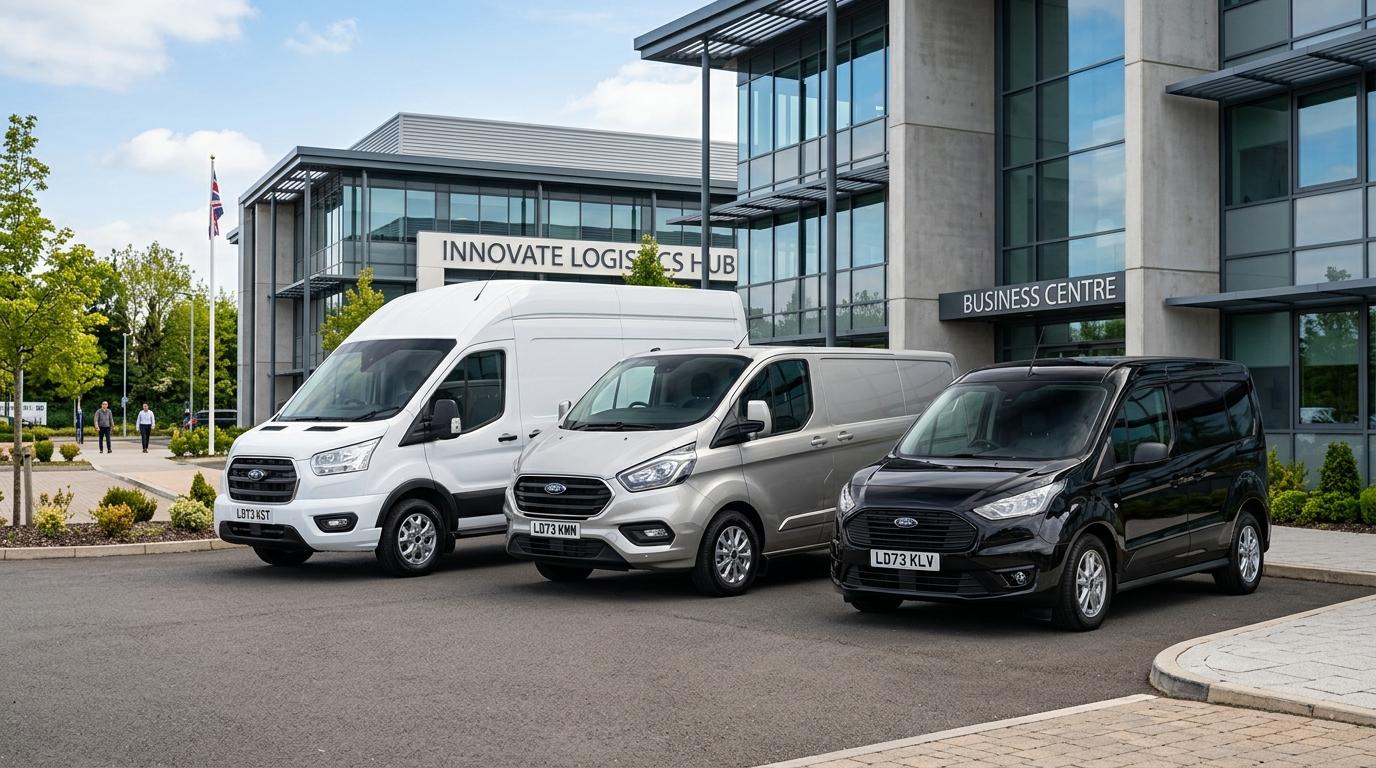
Buying a van is a bigger decision than most people expect. Get it right and you've got a reliable workhorse that pays for itself for years. Get it wrong and you're stuck with a van that's too small, too thirsty, or costs a fortune to keep on the road.
So before you put any money down, it's worth slowing down and thinking it through properly. This guide walks you through exactly how to choose the right van for the way you actually work covering size, payload, fuel type, running costs and finance, without the jargon.
Start With How You'll Actually Use It
Before you look at a single spec sheet, ask yourself one honest question: what is this van really for?
A self-employed plumber carrying tools and a few fittings has completely different needs to a courier moving pallets all day, or a tradesperson hauling timber and ladders. The best van for business isn't the biggest or the cheapest it's the one that fits your daily reality.
Jot down a few things: what you'll carry, how often, how far you drive, whether you need to park in tight city streets, and whether you'll ever carry a passenger or two. Those answers quietly shape every other decision on this page.
Understanding Van Sizes
Most vans fall into three broad groups. Getting the van size right is probably the single most important call you'll make.
Small Vans
Compact and car-like to drive, small vans (think Ford Transit Connect, Vauxhall Combo or Citroën Berlingo) are ideal for city driving, lighter loads and tight parking. They're cheaper to buy, cheaper to run, and easy to live with day to day. If you're a sole trader carrying tools and smaller stock, this is often the sweet spot and a strong choice for anyone wondering which van is best for the self-employed.
Medium Vans
The medium class the Ford Transit Custom, Vauxhall Vivaro, Renault Trafic and VW Transporter is the UK's most popular for good reason. There's enough load space for most trades, plenty of crew-cab options, and they're still manageable to drive and park. If you genuinely aren't sure what size van you need for work, a medium van is rarely the wrong answer.
Large Vans
When you need serious volume long-distance haulage, big deliveries, moving bulky goods a large van like the Mercedes Sprinter, Ford Transit or Peugeot Boxer earns its keep. You get the most load space and the highest payloads, but expect higher running costs and a van that takes more thought to park and manoeuvre.
Payload and Load Space: The Numbers That Matter
Two figures decide whether a van can actually do your job: payload and load volume.
Payload is the maximum weight you can legally carry, including tools, stock and passengers. It's easy to overlook and easy to exceed once you load up. Going over your payload isn't just unsafe, it's illegal and can land you with fines and penalty points.
Load volume, measured in cubic metres, tells you how much will physically fit inside. A van might have the space but not the payload (or the other way round), so always check both against what you carry on a busy day. As a rule of thumb, buy a little more capacity than you think you need work trends to grow.
New vs Used: Which Makes Sense for You?
The new vs used van question comes down to budget, mileage and peace of mind.
A new van gives you the latest efficiency, a full warranty and zero history to worry about but it loses value fastest in the first couple of years. A quality used van can be brilliant value, letting you afford a higher spec or a bigger model for the same money. Just check the service history, mileage and condition carefully, and watch for signs of heavy commercial wear.
There's no universally right answer here. It depends entirely on how much you want to spend up front versus over time.
Diesel, Petrol or Electric?
Fuel type used to be a no-brainer, but not anymore.
Diesel still dominates the van world thanks to strong torque, good economy on long runs and high towing ability. If you're doing serious mileage or heavy loads, it remains a sensible pick. Petrol vans suit lower-mileage, lighter-use drivers.
Then there's the big shift: the electric van. The choice between an electric van vs diesel comes down to your routes and your patience for charging. If you mostly drive predictable urban miles, an electric van can slash running costs and sail through clean-air zones. If you cover long, unpredictable distances, the charging network and range may still frustrate you.
One thing to check whatever you choose: ULEZ and clean-air zone compliance. Driving into London or other low-emission zones in a non-compliant van means daily charges that add up fast. Make sure any van you buy meets Euro 6 standards if you'll be driving in these areas.
Running Costs You Shouldn't Ignore
The sticker price is only the start. Smart buyers look at the full picture of van running costs: fuel or charging, insurance, road tax, servicing, tyres and inevitable repairs.
A cheaper van that drinks fuel and needs constant attention can easily cost more over three years than a slightly pricier, more efficient one. If economy matters to you, research the best van for fuel economy in your chosen size class before committing small differences in MPG really stack up over thousands of miles.
Don't Forget About Van Finance
Very few people buy a van outright, and there's no reason you should feel you have to. The right van finance spreads the cost into manageable monthly payments and frees up your cash flow for the rest of the business.
There are a few common routes worth understanding:
- Hire Purchase pay in instalments and own the van outright at the end.
- Finance Lease & Contract Hire lower payments, with the van returned or refinanced later. van leasing options
- Business van finance tailored to limited companies, sole traders and the self-employed. business van finance
Even if your credit history isn't perfect, options exist. bad credit van finance. And if you've settled on going electric, it's worth looking at specialist electric van finance to make the switch more affordable.
The key is matching the finance type to how long you plan to keep the van and whether you want to own it at the end. If you're unsure, speak to our van finance team before you decide.
A Quick Checklist Before You Buy
Run through this before you sign anything:
- Have I matched the van size to what I actually carry?
- Does the payload cover my heaviest typical load?
- New or used which suits my budget over time?
- Is the fuel type right for my mileage and routes?
- Is it ULEZ-compliant if I drive in clean-air zones?
- Have I worked out the true running costs, not just the price?
- Have I lined up the right van finance for my situation?
If you can tick all seven, you're in a strong position to buy with confidence.
Conclusion
Choosing the right van isn't about chasing the cheapest deal or the flashiest model it's about finding the van that fits the work you do, the miles you drive and the budget you're working with. Take the time to weigh up size, payload, fuel and finance, and you'll end up with a van that genuinely earns its place in your business.
When you're ready to make it happen, explore your van finance options and get the keys to the right van without stretching your cash flow.
Answers to Everything
It depends on what you carry. Small vans suit tools and light loads, medium vans handle most trades, and large vans are for high-volume or heavy work. List your typical load first, then match the size to it.
If you drive predictable, mostly urban miles, an electric van can cut running costs and clean-air charges significantly. For long, unpredictable distances, diesel may still suit you better for now.
For most sole traders, a small or medium van offers the best balance of running costs, load space and ease of driving paired with affordable monthly finance.
Fuel Your Ambition with better financing.
Join 10,000+ drivers who found their dream deal with Vizion Finance. No jargon, just clear paths to ownership.